

西部の世界の発祥の地はあなたをお待ちしております。
Introduction
After more than thirty years of deflation and near-zero interest rates (see Figure 1), Japan is entering a new macroeconomic regime characterized by moderate inflation, monetary normalization, and a shift in economic incentives. This transition is profoundly altering the behavior of households, businesses, investors, and the financial system. This process opens up significant opportunities for the capital markets but also exposes the vulnerabilities that accumulated during the era of near-zero interest rates.
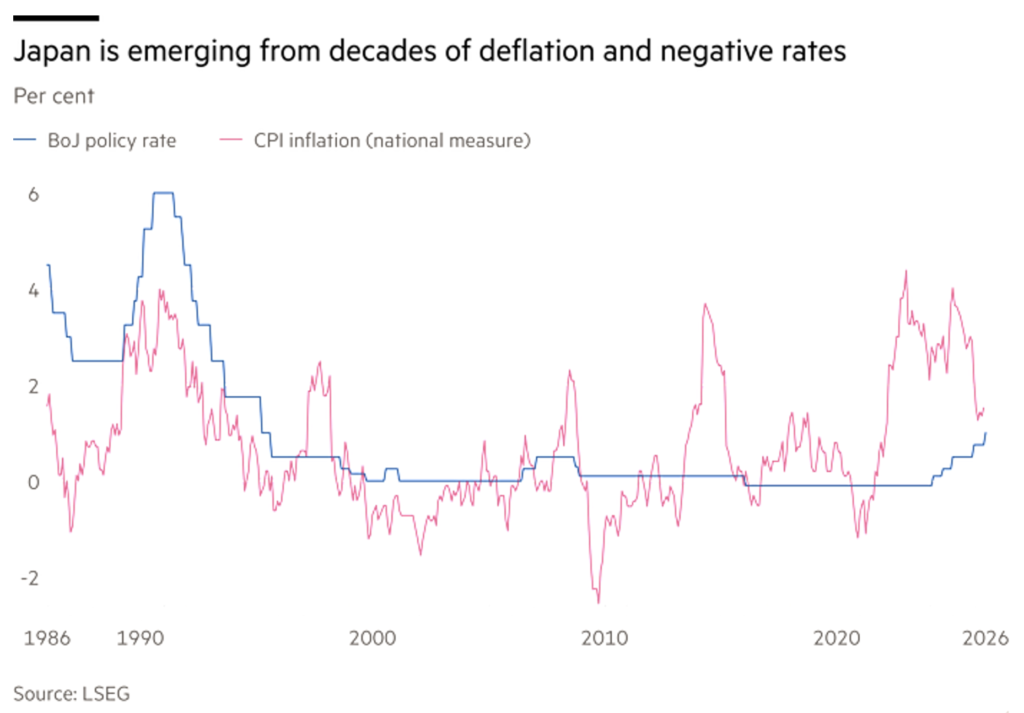
Figure 1. Japan’s long deflationary period, also known as the “Lost Decades.”
1. The Return to Macroeconomic Normality
The Japanese economy appears to have definitively left deflation behind. The closing of the output gap, the return of pricing power, and wage growth represent a structural shift. The government now considers the era of stagnation to be over, while acknowledging that the transition to an investment-driven economy is still incomplete.
2. The Bank of Japan
The increase in the official policy rate to 1% symbolizes the normalization of monetary policy. At the same time, government bond yields have risen (with 10-year government bond yields climbing to around 2.9%) and bond market volatility has increased, marking the end of an exceptional monetary regime.
3. Financial Markets
The Japanese stock market has benefited from the new environment with a strong rally. Households are gradually shifting part of their savings from deposits to investments, while the asset management sector is taking on a more central role. Foreign capital is also flowing in abundantly.
4. Businesses
Inflation is shifting incentives: investment is increasing, as are mergers and acquisitions, and companies are more willing to allocate capital toward growth rather than hoarding cash.
5. Risks
However, rising interest rates are highlighting the fragility of many companies that have survived thanks to low-cost credit.
A prime example is the bankruptcy of Zentoshin, a payment services company with approximately $711 million in liabilities.
Insolvencies and the difficulties faced by small and medium-sized enterprises (SMEs) represent the main risk during this transition phase.
Added to this are the negative effects on consumption, including a rise in the cost of living, real wages that initially lagged behind inflation, an increasing share of food expenses in household budgets, and greater pressure on mortgage borrowers.
For decades, prices remained stubbornly unchanged. However, inflation has spent much of the last four years above the central bank’s 2% target, as Japan has suffered the consequences of the global price shock following the pandemic and the start of Russia’s full-scale invasion of Ukraine. The consequences have been epoch-making for the country: in the wake of rising food, energy, and labor costs, companies have become less hesitant to pass on costs to business customers and, ultimately, to end consumers.
The Engel coefficient has reached its highest level in the past twenty-five years, signaling a significant reduction in household purchasing power.
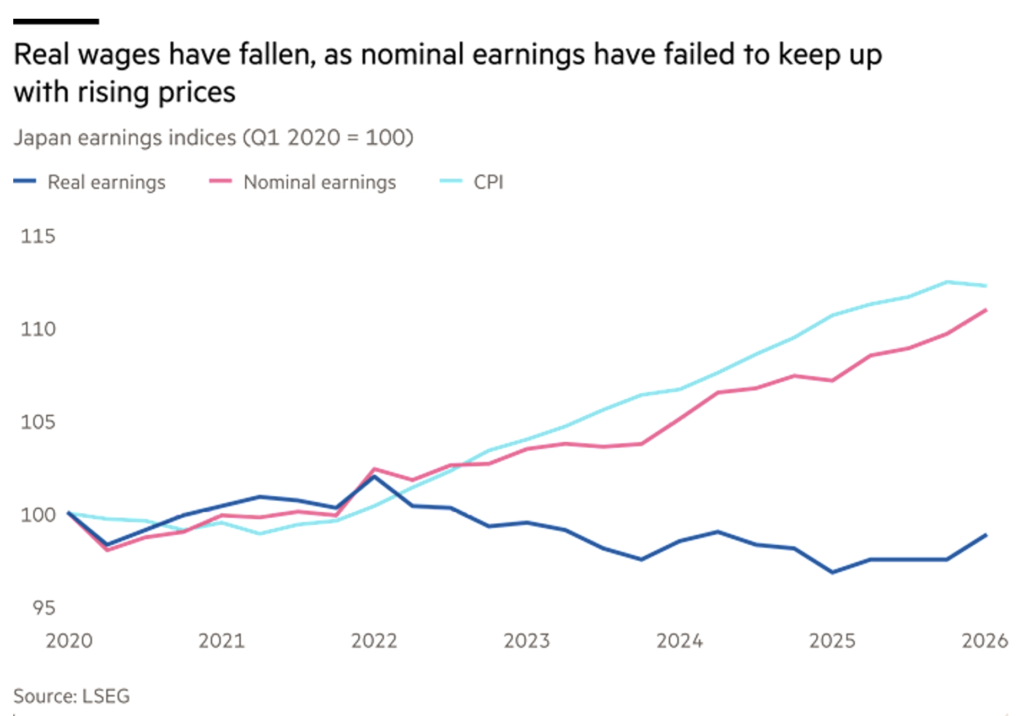
Figure 2. Erosion of purchasing power in Japan.
Finally, the macroeconomic landscape has led to other challenges, including the persistent weakness of the yen, low consumer confidence, and a cautious approach to investment by some companies. Furthermore, a significant portion of capital continues to be tied up in low-yielding assets, prompting the Ministry of Economy to issue new guidelines aimed at encouraging productive investments and a more efficient allocation of capital.
6. Implications for Investors
Banks, insurance companies, and financial institutions are among the main beneficiaries of the new interest rate regime. A symbolic development is that Mitsubishi UFJ Financial Group has become the company with the highest market capitalization in Japan, surpassing Toyota and SoftBank. Highly indebted companies and sectors with low profitability, on the other hand, are more vulnerable.
Conclusions
Japan’s emergence from deflation represents one of the most significant macroeconomic events of recent decades. If this process is accompanied by sustainable growth in wages and investment, the country could enter a new phase of development. In the short term, the normalization of interest rates will inevitably lead to a weeding out of the least efficient companies and increased volatility, but in the medium to long term, it could strengthen the quality of growth and the attractiveness of Japanese financial markets.
Disclaimer
This post reflects the personal opinions of the Custodia Wealth Management staff members who authored it. It does not constitute investment advice or recommendations, nor does it constitute personalized consulting, and should not be considered an invitation to engage in transactions involving financial instruments.
